
"coffee consumption history"
2000 article(s) found

Rwanda coffee history and coffee market
Professional coffee knowledge exchange more coffee bean information please follow Coffee Workshop (Wechat official account cafe_style) Rwanda: small but powerful about 60 years ago, Rwanda was a country with high coffee production and low quality under the rule of Belgium. Thirty years ago, Rwanda experienced a protracted economic crisis due to increased political instability and falling prices of green coffee.

Costa Rica Tara Pearl Diamond Mountain Manor imported boutique coffee beans with balanced flavor
Costa Rican coffee plants were imported from Cuba in 1779 and exported for the first time in 1820. There are now about 32000 coffee farmers, with an average of less than 10000 yuan per farmer. Costa Rica has a population of 410 million (2006), an active coffee planting area of 82500 square meters, an annual output of 1.7 million bags (60kgs per bag), and an annual consumption of 38 million bags in China.
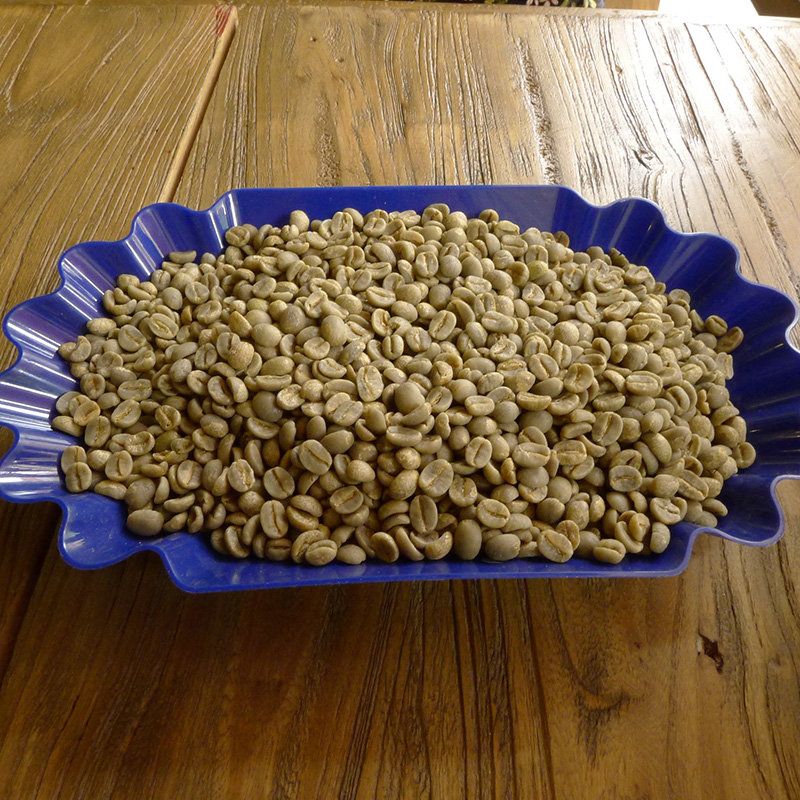
What are washed beans? Costa Rica Tara Pearl Diamond Villa washing SHB Kaddura seed beans
Costa Rican coffee plants were imported from Cuba in 1779 and exported for the first time in 1820. There are now about 32000 coffee farmers, with an average of less than 10000 yuan per farmer. Costa Rica has a population of 410 million (2006), an active coffee planting area of 82500 square meters, an annual output of 1.7 million bags (60kgs per bag), and an annual consumption of 38 million bags in China.

Tracing the History of Coffee to the Cultural basic knowledge of Fine Coffee
The word coffee comes from the Greek word Kaweh, which means strength and enthusiasm. Coffee tree is an evergreen shrub of Capsicaceae. Coffee for daily consumption is made of coffee beans combined with a variety of cooking utensils, and coffee beans refer to the fruit of coffee trees. The nuts are baked by a proper baking method. Legends about the origin of coffee vary, but mostly because of its absurdity

Coffee History, Origin, Development and Culture found that Coffee spread to Europe
The concentration mentioned here is not the taste in sensory analysis, but should be understood from the customer's point of view. It refers to the perceived coffee concentration in milk-based coffee. First of all, you have to consider the type of coffee you use, and you also need to consider the size of the cup and the variety of milk. Many factors affect the taste of coffee and milk, thus affecting the concentration, some of them.

A brief introduction to the History and Culture of the Origin and Development of Fine Coffee beans in Ethiopia
Ethiopia (Ethiopia) is one of the major producers of Arab coffee beans in Africa, producing the best Arab mocha beans in the world. It is said that coffee beans were first discovered by shepherds in the Kafa region of Ethiopia, and the name of coffee evolved from Kafa, so Ethiopia is still the hometown of coffee. Production and processing of coffee beans in Ethiopia
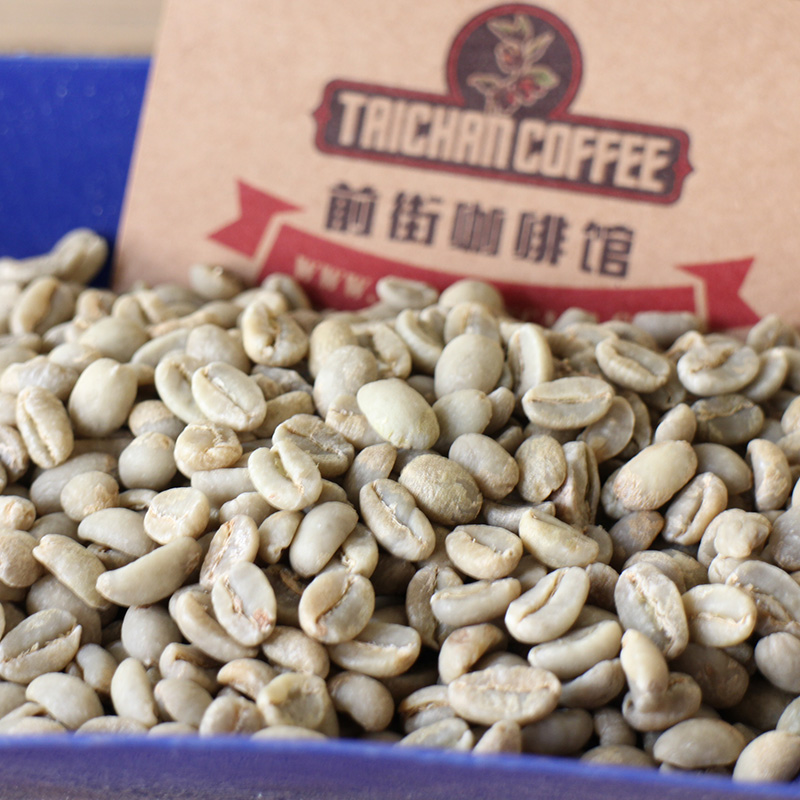
Raw Bean Price Costa Rica Tara Pearl Diamond Hill Manor Wash SHB Kadura Fine Coffee Raw
Coffee cultivation in Costa Rica was introduced from Cuba in 1779 and exported for the first time in 1820. There are about 32,000 coffee farmers in Costa Rica, with an average cultivation area of less than one hectare (10,000 m2) per farmer. Costa Rica has a population of 4.1 million (2006), 82,500 hectares of coffee cultivation, an annual production of 1.7 million bags (60kgs per bag), and an annual domestic consumption of 380,000 bags.

Dehong Coffee planting History _ Dehong small Coffee which brand is good _ what brand does Dehong Coffee have
Professional coffee knowledge exchange more information about coffee beans Please pay attention to Coffee Workshop (Wechat official account cafe_style) Coffee is one of the most popular drinks in the world today, with global consumption of more than 1.5 billion cups a day. Yunnan is an important coffee production base in the world, and when we look back at the history of coffee cultivation in Yunnan, it is generally believed that the link between coffee and Yunnan is 19.

China Coffee Network recommends Costa Rica's Tarazu Diamond Villa Park to wash SHB Kaddura American Cafe.
Costa Rican coffee plants were imported from Cuba in 1779 and exported for the first time in 1820. There are now about 32000 coffee farmers, with an average of less than 10000 yuan per farmer. Costa Rica has a population of 410 million (2006), an active coffee planting area of 82500 square meters, an annual output of 1.7 million bags (60kgs per bag), and an annual consumption of 38 million bags in China.

The United States accounts for more than 20% of the world's annual coffee consumption.
At present, the annual coffee consumption of the United States accounts for more than ⒛% of the world, and it is the largest coffee consumer. But in the early British colonial period, the European immigrants in North America were mainly tea drinks, coffee was rare, and the culture of cafes was far inferior to that of Europe. At that time, there were no independent cafes in North America, and coffee drinks were sold in hotels, hotels, inns and restaurants, the most famous Green Dragon Cafe (GrcenDr)

Costa Rican coffee flavor Central and South American coffee characteristics Tara Pearl Diamond Villa washing SHB card
Costa Rican coffee plants were imported from Cuba in 1779 and exported for the first time in 1820. There are now about 32000 coffee farmers, with an average of less than 10000 yuan per farmer. Costa Rica has a population of 410 million (2006), an active coffee planting area of 82500 square meters, an annual output of 1.7 million bags (60kgs per bag), and an annual consumption of 38 million bags in China.

The annual coffee consumption in the United States accounts for more than 20% of global coffee sales.
At present, the annual coffee consumption of the United States accounts for more than ⒛% of the world, and it is the largest coffee consumer. But in the early British colonial period, the European immigrants in North America were mainly tea drinks, coffee was rare, and the culture of cafes was far inferior to that of Europe. At that time, there were no independent cafes in North America, and coffee drinks were sold in hotels, hotels, inns and restaurants, the most famous Green Dragon Cafe (GrcenD)
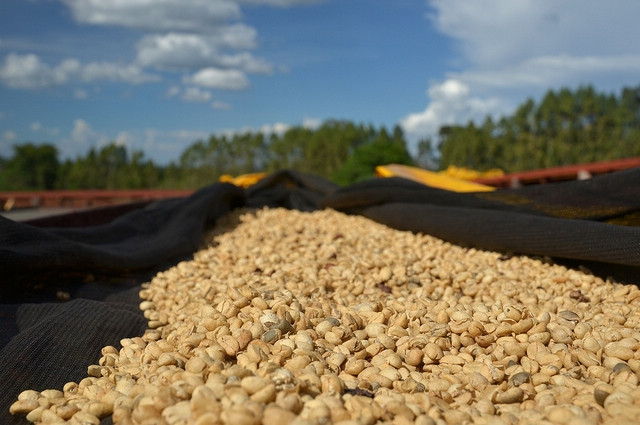
The coffee network recommends that Costa Rica's Tara Pearl Diamond Villa wash SHB Kaddura boutique coffee beans.
Costa Rican coffee plants were imported from Cuba in 1779 and exported for the first time in 1820. There are now about 32000 coffee farmers, with an average of less than 10000 yuan per farmer. Costa Rica has a population of 410 million (2006), an active coffee planting area of 82500 square meters, an annual output of 1.7 million bags (60kgs per bag), and an annual consumption of 38 million bags in China.

Costa Rican coffee features Costa Rican coffee
For the exchange of professional baristas, please follow the coffee workshop (Wechat official account cafe_style) Costa Rica TARRAZ Costa Rica Tarraz from the international coffee export company Hacienda La Minita. Hacienda La Minita Manor is located in the famous Tarraz producing area of Costa Rica. Because of its excellent geographical environment and microclimate, La Minita Manor

A brief introduction to the History and Culture of the Origin and Development of Simao Fine Coffee beans in Yunnan Province, China
In the upper bag are the freshly picked coffee fruits and the defective fruits selected in the lower bag. Fermented beans need to be washed out of pectin. There are washed coffee beans in the sink. The so-called washed coffee gets its name from this step. Ripe beans have a large proportion and will sink to the bottom of the pool. The photo below is the true appearance of the extremely rare blue mountain coffee in Yunnan. According to Boss Fang

History of coffee development in the world| What are the characteristics of coffee shops around the world? Where is the authentic coffee?
It's hard to imagine a world without coffee. And you think it's right. Coffee has been around for thousands of years. Who discovered coffee and how coffee is brewed is largely unknown, but what is known is that the atmosphere of the coffee house has not changed much since its inception. The history of the First Cafe dates back to 1475. he

An introduction to the Historical and Cultural Origin of Coffee cultivation in China
An introduction to the Historical and Cultural Origin of Coffee cultivation in China according to historical records, coffee was first planted in Taiwan in 1884, which opened the prelude to the development of coffee in China. The earliest coffee cultivation in the mainland began in Yunnan, when a French missionary brought the first coffee seedlings to Binchuan County in Yunnan Province at the beginning of the 20th century. For nearly a hundred years, coffee was grown in the vast

The Discovery and spread of Coffee how was coffee discovered?
How was coffee discovered? When people taste mellow coffee, they can't help but ask such questions. According to Roth de Neroy (1613-1707), a Roman linguist, about the sixth century AD, an Arab shepherd named Caldai was very excited and excited to see every goat when he went to graze on the grasslands of Ethiopia. It made him weird.

The history of coffee, one of the three biggest drinks in the world, how do people know coffee Arabica good coffee
Coffee is a beverage made from roasted coffee beans, which is the main drink popular in the world along with cocoa and tea. Coffee tree is a small evergreen tree of Rubiaceae. Daily coffee is made from coffee beans combined with various cooking utensils, and coffee beans refer to the nuts in the fruit of coffee trees, which are roasted in an appropriate way. A cup of standard coffee